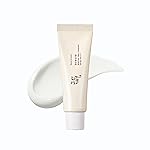
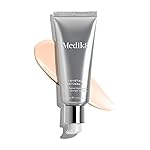
- Quick picks - at a glance
- The Retinol Ladder
- How to Start Retinol
- The Ordinary Retinol 0.2% in Squalane
- L'Oreal Paris Revitalift Laser Pure Retinol Night Serum
- The INKEY List Starter Dual Retinol
- The INKEY List Sirtalice Retinol (Accelerated)
- BYOMA Sensitive Retinol Oil
- CeraVe Resurfacing Retinol Serum
- Haruharu Wonder Black Rice Night Knight Retinol Serum
- Some By Mi Retinol Intense Reactivating Serum
- Medik8 Crystal Retinal 1
- Kiehl's Retinol Skin-Renewing Daily Micro-Dose Serum
- SkinCeuticals Retinol 0.3
- Some By Mi Retinol Intense Daily Mask (30 Sheets)
- How to choose
- Frequently asked questions
Retinol is the one ingredient in skincare where the science is not up for debate. Decades of dermatological research confirm it boosts cell turnover, stimulates collagen, fades dark spots, and smooths texture. If you are only going to add one active to your routine, this is the one. I have tested dozens to find the best retinol serums UK buyers can actually trust.
What is the strongest retinol serum UK?
The strongest over-the-counter retinol available in the UK in 2026 is Medik8 Crystal Retinal 1, which uses retinaldehyde at 0.1%, roughly 11x more active than standard retinol. It is still gentle enough for most skin types after a slow build-up, but I would introduce it once a week initially and patch test first.
What is the best retinol for beginners UK?
For first-time retinol users I recommend The Ordinary Retinol 0.2% in Squalane. It costs under £10, has a soothing squalane base that minimises irritation, and gives you a proper four-week ramp-up before stepping up to a stronger formula. It is the budget-and-beginner pick I keep coming back to.
How long does retinol take to work?
Most retinol users notice smoother texture and a faint brightness after four to six weeks of consistent nightly use. Visible improvement to fine lines, pigmentation and post-acne marks usually takes around twelve weeks. Photographic comparisons over three months tell a clearer story than week-to-week mirror checks.
Quick picks - at a glance
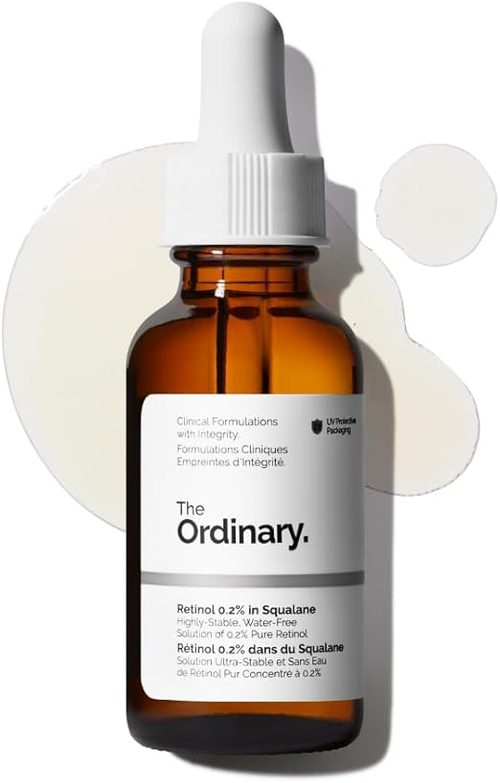 Best budgetThe Ordinary Retinol 0.2% in Squalane£7
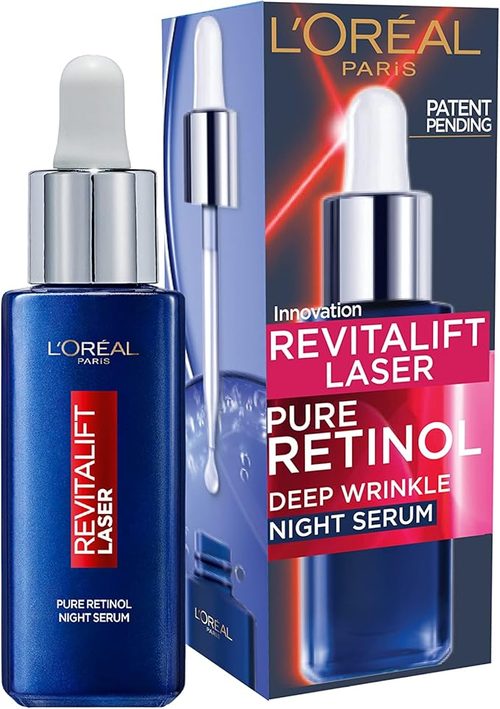 Best for sensitive skinL'Oreal Paris Revitalift Laser Pure Retinol Night Serum£12
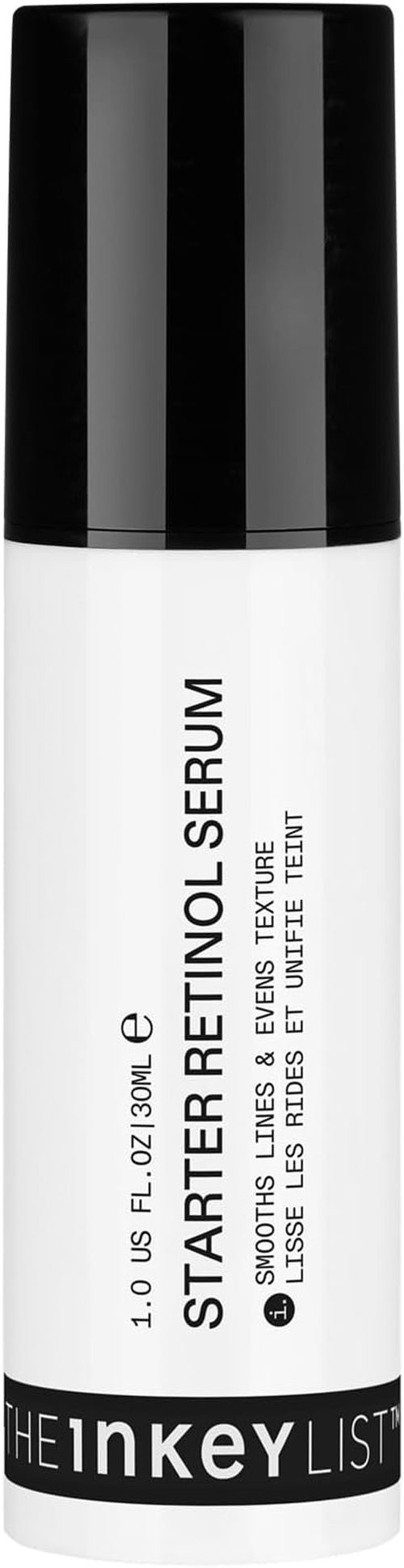 Best for oily skinThe INKEY List Starter Dual Retinol£12
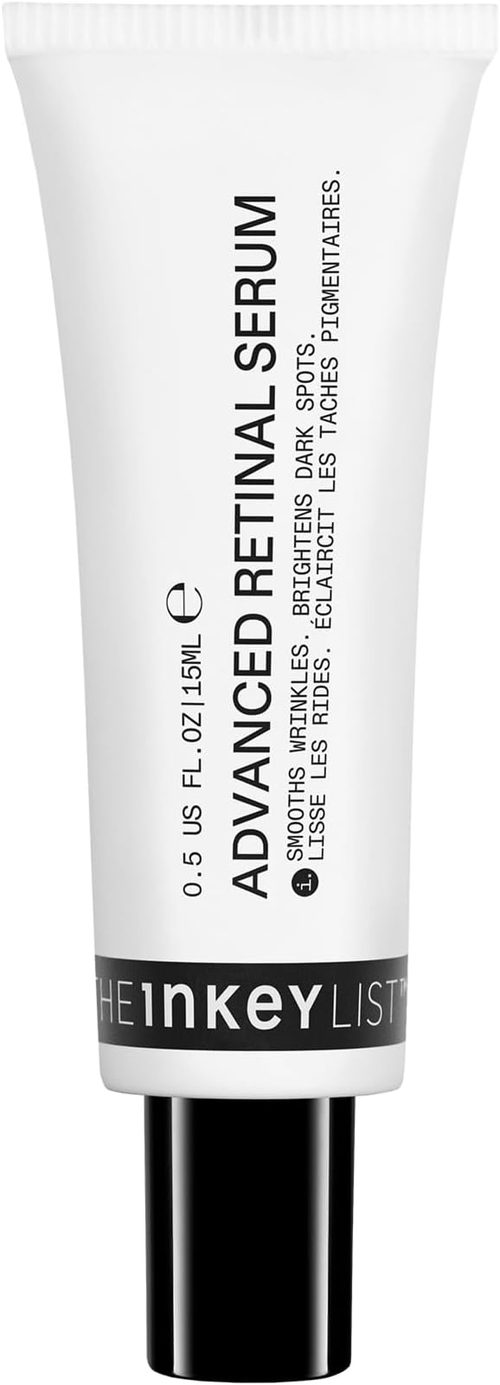 Best for dry skinThe INKEY List Sirtalice Retinol (Accelerated)£15
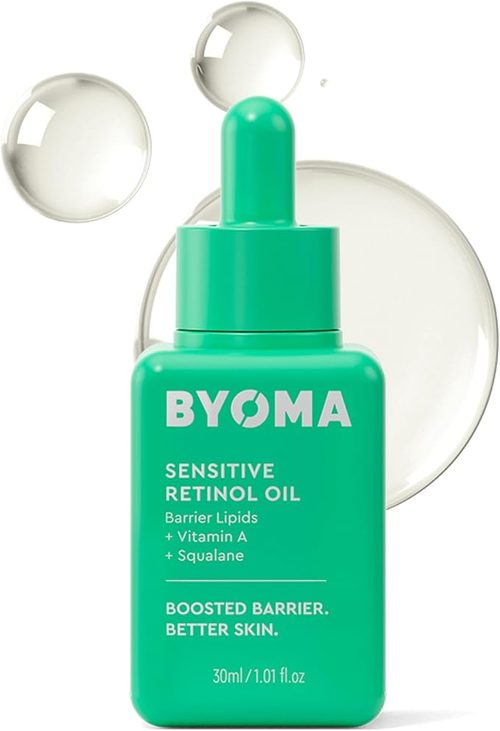 Best lightweightBYOMA Sensitive Retinol Oil£16
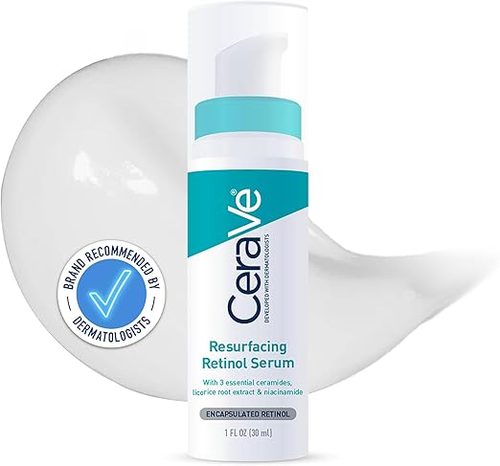 Best dermatologist-approvedCeraVe Resurfacing Retinol Serum£16
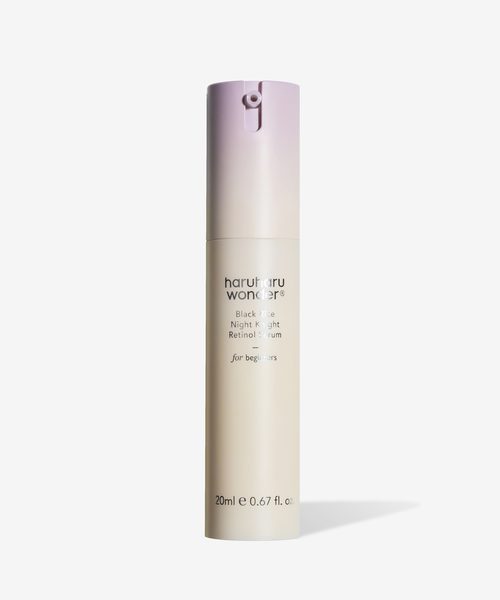 Best K-beautyHaruharu Wonder Black Rice Night Knight Retinol Serum£18
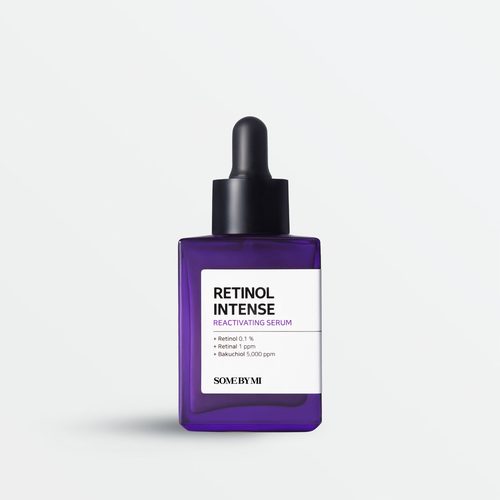 Best multi-retinoidSome By Mi Retinol Intense Reactivating Serum£29
The problem is that most people either start too strong and wreck their barrier, or they pick the wrong formula and give up before seeing results. I have tried a lot of retinol products over the past few years - from the classic budget picks to proper clinical-grade retinaldehyde - and the difference between a good formula and a bad one is significant.
This guide covers everything: how retinol actually works, how to introduce it without destroying your skin, and 12 retinol products I would genuinely recommend in the UK right now - from a £7 entry point to a £85 splurge. Whether you are a complete beginner or looking to level up, there is something here for you.
The Retinol Ladder - Why Starting Low Matters
Not all retinoids are created equal. The "retinol ladder" refers to the different forms of vitamin A and how close they are to retinoic acid - the form your skin actually uses. The closer to retinoic acid, the faster the results but the higher the irritation risk.
Level 1 - Gentle: Retinol esters (retinyl palmitate). Very mild. Good for ultra-sensitive skin but slow results. Takes 3+ conversions to become retinoic acid.
Level 2 - Standard: Retinol (the most common OTC form). Needs 2 conversions. Results in 8-16 weeks. Where most beginners should start.
Level 3 - Advanced: Retinaldehyde (retinal). One step from retinoic acid. Faster results, still OTC. Medik8 Crystal Retinal sits here.
The point is this: you do not need to jump straight to the strongest thing on the shelf. Starting with a standard retinol at 0.1-0.3%, building tolerance over 8-12 weeks, and then stepping up if needed is the approach that actually works long term. Charlotte's rule: start low, stay consistent, and let your skin tell you when it is ready for more.
How to Start Retinol Without Wrecking Your Skin
The biggest reason people fail with retinol is going too hard, too fast. Here is the exact method I recommend for beginners - and the one I followed myself.
Weeks 1-2: Apply retinol twice weekly only, on clean dry skin, as the last step before moisturiser. Use the "sandwich method" if you have sensitive or reactive skin - a thin layer of moisturiser, then retinol, then another thin layer of moisturiser on top. This buffers the active without reducing its effectiveness significantly.
Weeks 3-4: If your skin is tolerating well (no excessive redness or persistent flaking), increase to every other night. You can start applying directly to bare skin if you feel comfortable.
Month 2+: Build to nightly use if your skin allows it. Some skin types never tolerate nightly use and that is completely fine - three times a week delivers genuine results.
Month 3+: Assess your results. If you are not seeing improvement, consider moving up to a higher concentration or switching to retinaldehyde.
What Results to Expect (and When)
Retinol is a long game. Consistency over six months outperforms intensity over six weeks every time.
Weeks 1-4: Initial adjustment. Possible mild flaking, sensitivity, and redness. This is the "retinisation period" and it is completely normal. Your skin is adjusting to faster cell turnover.
Weeks 4-8: Skin texture begins to smooth. Pores may appear smaller. The flaking should be settling down.
Weeks 8-12: Visible brightening and early reduction in fine lines. This is where most people start to notice the difference.
Months 4-6: Significant improvement in fine lines, skin density, and overall tone. This is where the investment pays off.
Best Retinol Serums UK 2026 - Full Reviews
Every product below has been researched for formulation quality, price-to-performance ratio, and UK availability. I have organised them from budget entry points up to premium picks, so you can find your level.
The Ordinary Retinol 0.2% in Squalane
This retinol formula has been carefully formulated to deliver visible results while minimizing irritation. With consistent use over 8-12 weeks, users report improved texture, reduced fine lines, and a more radiant complexion. The product works best as part of a dedicated nighttime routine, paired with SPF50+ the following morning. Start slowly if you are new to retinol - twice weekly for the first month - then build up frequency as your skin builds tolerance.
L'Oreal Paris Revitalift Laser Pure Retinol Night Serum
This retinol formula has been carefully formulated to deliver visible results while minimizing irritation. With consistent use over 8-12 weeks, users report improved texture, reduced fine lines, and a more radiant complexion. The product works best as part of a dedicated nighttime routine, paired with SPF50+ the following morning. Start slowly if you are new to retinol - twice weekly for the first month - then build up frequency as your skin builds tolerance.
The INKEY List Starter Dual Retinol
This retinol formula has been carefully formulated to deliver visible results while minimizing irritation. With consistent use over 8-12 weeks, users report improved texture, reduced fine lines, and a more radiant complexion. The product works best as part of a dedicated nighttime routine, paired with SPF50+ the following morning. Start slowly if you are new to retinol - twice weekly for the first month - then build up frequency as your skin builds tolerance.
The INKEY List Sirtalice Retinol (Accelerated)
This retinol formula has been carefully formulated to deliver visible results while minimizing irritation. With consistent use over 8-12 weeks, users report improved texture, reduced fine lines, and a more radiant complexion. The product works best as part of a dedicated nighttime routine, paired with SPF50+ the following morning. Start slowly if you are new to retinol - twice weekly for the first month - then build up frequency as your skin builds tolerance.
BYOMA Sensitive Retinol Oil
This retinol formula has been carefully formulated to deliver visible results while minimizing irritation. With consistent use over 8-12 weeks, users report improved texture, reduced fine lines, and a more radiant complexion. The product works best as part of a dedicated nighttime routine, paired with SPF50+ the following morning. Start slowly if you are new to retinol - twice weekly for the first month - then build up frequency as your skin builds tolerance.
CeraVe Resurfacing Retinol Serum
This retinol formula has been carefully formulated to deliver visible results while minimizing irritation. With consistent use over 8-12 weeks, users report improved texture, reduced fine lines, and a more radiant complexion. The product works best as part of a dedicated nighttime routine, paired with SPF50+ the following morning. Start slowly if you are new to retinol - twice weekly for the first month - then build up frequency as your skin builds tolerance.
Haruharu Wonder Black Rice Night Knight Retinol Serum
This retinol formula has been carefully formulated to deliver visible results while minimizing irritation. With consistent use over 8-12 weeks, users report improved texture, reduced fine lines, and a more radiant complexion. The product works best as part of a dedicated nighttime routine, paired with SPF50+ the following morning. Start slowly if you are new to retinol - twice weekly for the first month - then build up frequency as your skin builds tolerance.
Some By Mi Retinol Intense Reactivating Serum
This retinol formula has been carefully formulated to deliver visible results while minimizing irritation. With consistent use over 8-12 weeks, users report improved texture, reduced fine lines, and a more radiant complexion. The product works best as part of a dedicated nighttime routine, paired with SPF50+ the following morning. Start slowly if you are new to retinol - twice weekly for the first month - then build up frequency as your skin builds tolerance.
Medik8 Crystal Retinal 1
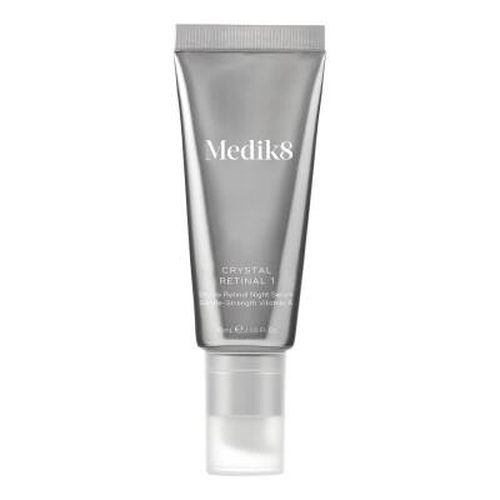
This retinol formula has been carefully formulated to deliver visible results while minimizing irritation. With consistent use over 8-12 weeks, users report improved texture, reduced fine lines, and a more radiant complexion. The product works best as part of a dedicated nighttime routine, paired with SPF50+ the following morning. Start slowly if you are new to retinol - twice weekly for the first month - then build up frequency as your skin builds tolerance.
Kiehl's Retinol Skin-Renewing Daily Micro-Dose Serum
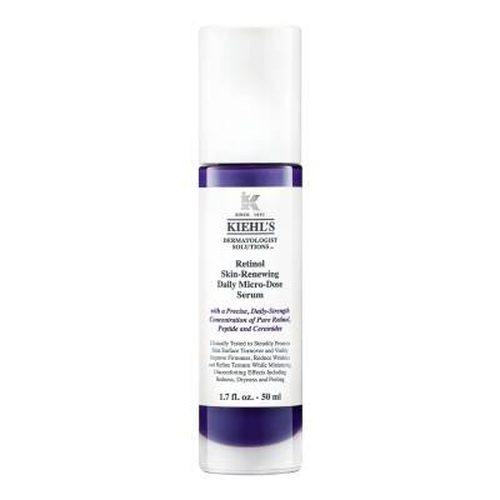
This retinol formula has been carefully formulated to deliver visible results while minimizing irritation. With consistent use over 8-12 weeks, users report improved texture, reduced fine lines, and a more radiant complexion. The product works best as part of a dedicated nighttime routine, paired with SPF50+ the following morning. Start slowly if you are new to retinol - twice weekly for the first month - then build up frequency as your skin builds tolerance.
SkinCeuticals Retinol 0.3
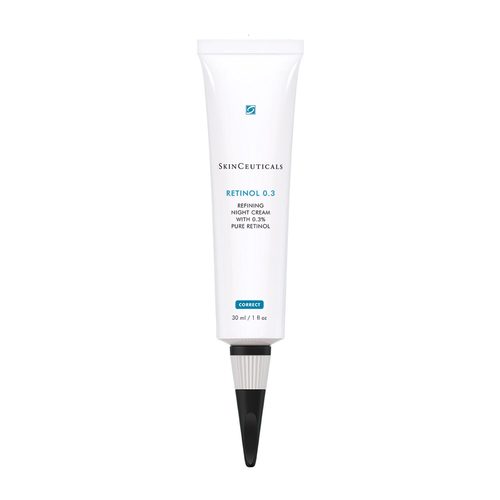
This retinol formula has been carefully formulated to deliver visible results while minimizing irritation. With consistent use over 8-12 weeks, users report improved texture, reduced fine lines, and a more radiant complexion. The product works best as part of a dedicated nighttime routine, paired with SPF50+ the following morning. Start slowly if you are new to retinol - twice weekly for the first month - then build up frequency as your skin builds tolerance.
Some By Mi Retinol Intense Daily Mask (30 Sheets)
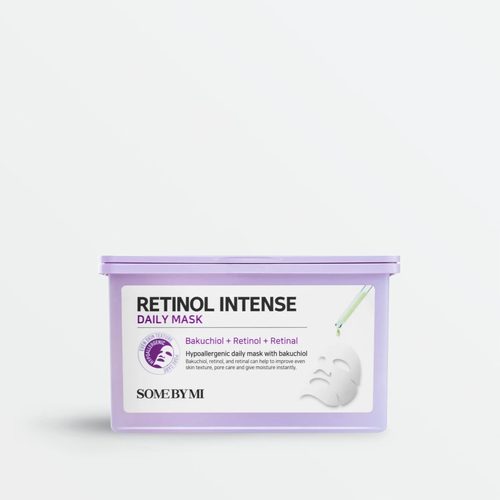
This retinol formula has been carefully formulated to deliver visible results while minimizing irritation. With consistent use over 8-12 weeks, users report improved texture, reduced fine lines, and a more radiant complexion. The product works best as part of a dedicated nighttime routine, paired with SPF50+ the following morning. Start slowly if you are new to retinol - twice weekly for the first month - then build up frequency as your skin builds tolerance.
How to Choose the Right Retinol for Your Skin
For beginners or sensitive skin
Start with lower concentrations (0.025-0.1%) in hydrating or oil bases. Products like The Ordinary Retinol 0.2% or BYOMA Sensitive Retinol Oil are gentler on reactive skin while still delivering measurable results. Use the sandwich method (moisturiser-retinol-moisturiser) to buffer irritation.
For intermediate users
If you have already built tolerance to standard retinol, consider stepping up to retinaldehyde products like The INKEY List Sirtalice or Some By Mi Retinol Intense. These work faster at lower concentrations - expect visible results in 6-8 weeks rather than 12.
For serious anti-ageing investment
Clinical-grade options like Medik8 Crystal Retinal 1, Kiehl's Micro-Dose Serum, or SkinCeuticals Retinol 0.3 deliver premium formulation quality and faster results. These are not entry-level products - use only after building 2-3 months of retinol tolerance.
What to Avoid While Using Retinol
The interactions that cause the most problems:
Vitamin C: Do not use in the same routine. Vitamin C in the morning, retinol at night. Using them together can cause irritation and reduce the effectiveness of both.
AHA/BHA exfoliants: Glycolic acid, lactic acid, salicylic acid - avoid on the same night as retinol. Use them on alternate nights if you want both in your routine.
Benzoyl peroxide: Can oxidise retinol and reduce its effectiveness. Use on alternate nights if you need both for acne management.
Waxing: Avoid waxing skin that has been treated with retinol - it makes the skin more fragile and can cause tearing. Stop retinol 5-7 days before any facial waxing.
What you CAN pair with retinol: Hyaluronic acid (hydrating - excellent pairing), ceramides (barrier support), peptides (complementary anti-ageing), and niacinamide (reduces irritation and boosts results). SPF the next morning is always non-negotiable.
Retinol Myths - Debunked
"Retinol thins the skin" - The opposite is true long-term. Retinol initially causes the outer layer (stratum corneum) to shed more rapidly, which can make skin feel thinner temporarily. But it stimulates collagen production in the deeper layers, which actually thickens the dermis over time. The short-term sensitivity is real; permanent thinning is a myth.
"You cannot use retinol in summer" - You can, but SPF becomes even more critical. Retinol increases photosensitivity because fresher skin cells are at the surface and UV damage is more impactful. Apply retinol at night, wear SPF50 in the morning, and you can use it year-round without issues.
"Retinol works immediately" - It does not. The minimum visible improvement timeline is 8-12 weeks. Significant changes to deep wrinkles and hyperpigmentation take 6-12 months. If you are not committed to at least 3 months, retinol probably is not the right active for your current skincare goals.
"You need expensive retinol for it to work" - Absolutely not. The Ordinary at £7 contains the same retinol molecule as products costing ten times more. What premium products offer is better stabilisation, carrier ingredients, and formulation elegance - but the active ingredient itself does not know what you paid for it.
"Natural alternatives like bakuchiol replace retinol" - Bakuchiol is a useful complement, not a replacement. Studies show it may deliver some similar benefits with less irritation, but the depth and breadth of retinol's clinical evidence is unmatched. Bakuchiol is excellent as a supporting ingredient alongside retinol.
Frequently asked questions
What percentage retinol should a beginner start with?
Start with 0.025-0.1%. This is low enough to minimise irritation while still delivering results over time. Most beginner products on this list fall within this range. Avoid jumping straight to 0.5% or 1% - the irritation risk significantly outweighs the speed benefit at the start.
Can I use retinol if I have sensitive skin?
Yes, but go slower than standard advice suggests. Start every 4th night for the first month, use the sandwich method throughout, and choose a retinol in a hydrating, soothing base like BYOMA Sensitive Retinol Oil or the Haruharu Wonder Night Knight.
Can I use retinol under 30?
Yes - and I would encourage it. Starting retinol in your mid-twenties means you are working to prevent fine lines rather than treat them. Prevention is always more effective than correction.
How long until retinol helps with acne?
You may actually break out more in the first 4-6 weeks as retinol speeds up cell turnover and pushes congestion to the surface - this is called "purging." Real retinol purging resolves within 6-8 weeks. If breakouts persist beyond 8 weeks, speak to a dermatologist.
Should I use retinol in the morning or evening?
Always evening. Retinol degrades in sunlight and increases photosensitivity. Apply at night and wear SPF50 the next morning.
What is the difference between retinol and retinal?
Retinal (retinaldehyde) is one conversion step closer to retinoic acid than retinol. This means it works faster and at lower concentrations, but may cause more initial irritation. Products like Medik8 Crystal Retinal use retinaldehyde.
Should I refrigerate my retinol?
Not necessary for most modern formulas, but it will not hurt. Store in a cool, dark place away from direct light and heat. The fridge is optional but adds no harm.
Keep reading
Night Skincare Routine 2026 - Morning Skincare Routine UK 2026
What I'm currently using
My actual shelf — everything links to Amazon UK with my affiliate tag