The best vitamin C serum in the UK in 2026 is a brightening, antioxidant powerhouse - if the formula is stable enough to actually reach your skin. Affiliate Disclosure: This post contains affiliate links. I may earn a small commission if you buy through my links, at no extra cost to you.
Vitamin C is one of the most well-researched ingredients in skincare. A good vitamin C serum brightens dull skin, fades dark spots, protects against environmental damage, and boosts collagen production. The problem? The best-known serums carry eye-watering price tags.
Good news: you don’t need to spend £80 on a Skinceuticals serum to get results. I’ve tested vitamin C serums across every price point in the UK, and some of the most effective ones cost under £20. Here’s exactly what you need to know.
Understanding Vitamin C in Skincare
Not all vitamin C is the same. The most potent form is L-ascorbic acid — it’s the gold standard but also the least stable, meaning cheap formulations can oxidise quickly (you’ll notice your serum turning orange). Look for dark glass packaging and keep it out of sunlight.
More stable derivatives like ascorbyl glucoside and sodium ascorbyl phosphate are gentler on sensitive skin and more forgiving to store, though slightly less potent. For beginners, derivatives are often the smarter starting point.
1. The Ordinary Ascorbyl Glucoside Solution 12% — £9.90

The Ordinary democratised serious skincare, and this stable vitamin C derivative is a masterclass in value. Ascorbyl glucoside converts to L-ascorbic acid on the skin, offering brightening and antioxidant benefits without the instability issues.
The lightweight water texture layers beautifully under moisturiser and won’t pill under makeup. At under £10, it’s an extraordinary entry point into vitamin C skincare.
Best for: Beginners, sensitive skin, daily brightening
Concentration: 12% ascorbyl glucoside
Where to buy: ASOS, Beauty Bay, The Ordinary website
2. L’Oréal Revitalift 12% Pure Vitamin C Serum — £20

L’Oréal’s Revitalift serum sits at our budget ceiling but delivers results that rival products at three times the price. The 12% L-ascorbic acid formulation is potent enough to visibly brighten skin within 4 weeks, and the airtight packaging keeps it stable far longer than most vitamin C serums.
Fragrance-free, dermatologist-tested, and clinically proven — this is the go-to upgrade pick if you’re serious about results without the luxury price tag.
Best for: Results-focused users, hyperpigmentation, dull skin
Concentration: 12% pure vitamin C (L-ascorbic acid)
Where to buy: Boots, Lookfantastic, Amazon UK ↗
3. Boots Vitamin C Brightening Serum — £12
Boots’ own-brand formulas are consistently underrated. This brightening serum combines vitamin C with niacinamide — a powerhouse pairing that targets both dullness and pore appearance simultaneously. The lightweight gel texture absorbs quickly and works beautifully under SPF in the morning.
At £12 and available on the high street, it’s the most accessible option on this list and holds its own against serums costing four times as much.
Best for: Morning routine, combination skin, brightening plus pore-minimising
Concentration: Not disclosed, but effective at stated use
Where to buy: Boots stores and boots.com
4. Garnier Vitamin C Glow Boost Serum — £13

Garnier’s vitamin C serum has quietly become one of the UK’s bestsellers, and with good reason. The formula uses a stable vitamin C derivative alongside salicylic acid for a dual-action brightening and exfoliating effect. Skin looks noticeably more radiant within two weeks of consistent use.
The pump packaging keeps air out, extending the formula’s effective life — something many budget serums fail on.
Best for: Uneven skin tone, mild breakouts alongside dullness
Where to buy: Boots, Superdrug, Amazon UK ↗
5. Revolution Skincare 12.5% Vitamin C Serum — £8

Revolution Skincare’s range punches well above its price point. This 12.5% vitamin C serum uses a blend of vitamin C derivatives for a stable, effective formula that even sensitive skin can typically tolerate. The price makes it ideal for anyone wanting to build a consistent routine without committing to a larger spend.
Best for: Budget-conscious users, beginners, sensitive skin
Where to buy: ASOS, Beauty Bay, Superdrug
6. Inkey List Vitamin C Serum — £10
Inkey List mirrors The Ordinary’s approach of ingredient transparency at accessible prices. Their vitamin C serum combines ascorbyl glucoside with additional antioxidants for layered protection against environmental damage. The brand is clear about what’s in the formula and why — a rare quality in skincare marketing.
Best for: Antioxidant protection, ingredient-aware shoppers
Where to buy: Boots, ASOS, Cult Beauty
7. Superdrug Naturally Radiant Vitamin C Serum — £7
At £7, Superdrug’s own-brand vitamin C serum is the budget champion of this list. It won’t deliver the same potency as the L’Oréal or The Ordinary options, but for daily maintenance brightening, it genuinely works. Start here if you’re new to vitamin C and want to test the waters cheaply.
Best for: Absolute beginners, maintenance brightening
Where to buy: Superdrug stores and superdrug.com
How to Use Vitamin C Serum in Your Routine
Apply vitamin C serum in the morning, after cleansing and toning, before moisturiser and SPF. Vitamin C works synergistically with sunscreen — together they provide significantly stronger protection against UV-induced damage and free radicals.
Start with every other day to let your skin adjust, then build to daily use. If you’re using retinol at night, keep them separated — vitamin C in the morning, retinol in the evening.
My Top Pick
For beginners: start with The Ordinary Ascorbyl Glucoside at £9.90 — stable, effective, and nearly foolproof. Ready for more potency? The L’Oréal Revitalift at £20 is the budget version of serums that cost £80+, and clinically proves it.
Charlotte’s Pick
Klairs Freshly Juiced Vitamin Drop — £22
5% vitamin C in a stable, low-irritation formula. For anyone who’s tried a vitamin C and had a bad reaction — this is the one to start with. I used it for 8 weeks before moving up to a stronger serum.
✨ Want a full routine around this?
The Charlotte Edit covers every step, every hero ingredient, and a full UK stockist guide. Instant download, £19.99.
If you're still researching, the posts above cover everything you need to make the right call on best vitamin c serum uk.
Best Vitamin C Serum Uk - Frequently Asked Questions
Can I use vitamin C serum every day?
Yes, once your skin has adjusted. Start with 3-4 times a week and build to daily. Always follow with SPF in the morning.
Why does my vitamin C serum turn orange?
Oxidation — your serum has degraded and lost most of its potency. Store in a cool, dark place and use within 3 months of opening. Choose serums in airtight, opaque packaging.
What percentage of vitamin C should I use?
Beginners should start with 5-10%. Experienced users can go up to 15-20%. Above 20% rarely delivers additional benefit and significantly increases irritation risk.
Why the Form of Vitamin C Matters
Not all vitamin C serums are equal, and this is where a lot of confusion comes from. There are several different vitamin C derivatives used in skincare, and they have meaningfully different stability, absorption rates, and irritation profiles. Pure L-ascorbic acid (LAA) is the most researched and most effective, but it’s also the least stable and most irritating. Derivatives like ascorbyl glucoside, sodium ascorbyl phosphate, and ethyl ascorbic acid are gentler and more stable, but slightly slower to show results.
L-Ascorbic Acid (LAA)
The gold standard. Studies show it significantly reduces hyperpigmentation, stimulates collagen synthesis, and neutralises free radical damage. Best at pH 3.5 or below, which is what causes the tingling sensation on application. Most prone to oxidation — if your serum turns orange or brown, it’s degraded and you should replace it.
Ascorbyl Glucoside
A stable vitamin C derivative that converts to L-ascorbic acid on the skin. Gentler, suitable for sensitive skin, and has a much longer shelf life. The trade-off is that results take slightly longer — expect 8–12 weeks rather than 4–8 weeks.
Sodium Ascorbyl Phosphate (SAP)
Another stable derivative, particularly good for acne-prone skin because it also has antibacterial properties. Less researched than LAA but well-tolerated and reliably brightening. A good choice if pure LAA causes irritation.
More Vitamin C Serums Worth Trying
La Roche-Posay Pure Vitamin C Face Serum (£34)
A 10% pure L-ascorbic acid formula from a brand that takes sensitive skin seriously. It’s suspended in a salicylic acid base to help with texture alongside the brightening action — a good dual-purpose option for oily or acne-prone skin. The salicylic content is low enough not to be drying, but noticeable over time in terms of pore appearance.
Garnier Vitamin C Brightening Serum (£12.99)
One of the best budget-friendly vitamin C options on the high street right now. The formula uses a combination of vitamin C derivatives with niacinamide for an added brightening boost. The texture is thin and watery, absorbs immediately, and works well layered under SPF. Not the most advanced formula, but a solid daily brightening serum for the price.
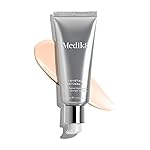
Medik8 C-Tetra Vitamin C Serum (£36)
Uses tetrahexyldecyl ascorbate, an oil-soluble vitamin C derivative that penetrates skin differently to water-soluble forms. Particularly good for dry or mature skin types as it works within the lipid layer. More expensive, but the stability and skin-feel are excellent — no sticky residue, no orange oxidation, no tingle.
Boots Ingredients Vitamin C Serum 10% (£6.99)
Genuinely underrated. A 10% ascorbyl glucoside formula at a price point that’s hard to justify not trying. The formulation is simple and clean — no unnecessary fragrance, no alcohol — and it layers well under other products. Results are gradual rather than dramatic, but for under £7 as a daily brightener, it over-delivers.
How to Get the Most From Your Vitamin C Serum
Store It Correctly
Light and heat degrade vitamin C rapidly. Store in a cool, dark drawer away from the bathroom window and shower steam. Some people refrigerate their vitamin C serum — it’s not necessary with modern stabilised formulas, but it extends shelf life for pure LAA products. Always check the colour: fresh vitamin C is clear or very pale yellow. Orange or brown means it’s oxidised and largely inactive.
Pair It With SPF
Vitamin C and SPF are the strongest anti-pigmentation duo in skincare. Vitamin C neutralises free radicals from UV exposure; SPF stops the UV getting to your skin in the first place. Using both daily is significantly more effective than either alone. Apply vitamin C first, allow it to absorb fully (2–3 minutes), then apply your SPF over the top.
Pair It With Ferulic Acid
Several studies show that ferulic acid increases the stability and efficacy of L-ascorbic acid by up to 200%. If your vitamin C serum doesn’t already contain ferulic acid (check the ingredients list), consider switching to one that does — products like the SkinCeuticals CE Ferulic or its more affordable alternatives often include both.
What Not to Mix With Vitamin C
Vitamin C plays well with most ingredients, but a few combinations cause problems:
- Retinol: Use vitamin C in the morning and retinol at night. They don’t chemically react badly, but using both at once increases irritation risk unnecessarily.
- AHA/BHA exfoliants: Low-pH vitamin C and acids together can destabilise the formula and irritate skin. Keep them in separate routines.
- Benzoyl peroxide: Can oxidise vitamin C and render it less effective. Use on different days or in different routines.
Best Vitamin C Serum Uk - Frequently Asked Questions
Should I use vitamin C every day?
Yes — daily use is where vitamin C delivers its best results. The antioxidant protection it provides against environmental damage accumulates over time, and its effect on hyperpigmentation requires consistent, daily application for weeks to months to show visible changes.
Why does my vitamin C serum sting?
Stinging is most common with L-ascorbic acid formulas, which are formulated at a low pH to remain effective. A slight tingle is normal; significant burning is not. If you find pure LAA too irritating, switch to a derivative like ascorbyl glucoside or sodium ascorbyl phosphate — you’ll get similar results with far less irritation.
When should I apply vitamin C — morning or night?
Morning is ideal. Vitamin C provides antioxidant protection against free radical damage from UV and pollution during the day, so applying it before SPF maximises that protection. It also pairs better with your morning products (SPF, moisturiser) than with your evening actives (retinol, exfoliants).
How long does vitamin C take to show results?
For brightening and glow: 4–6 weeks of daily use. For visible improvement in hyperpigmentation or dark spots: 8–12 weeks minimum. For deeper sun damage or post-inflammatory hyperpigmentation, it can take 3–6 months. Consistency is everything — sporadic use delivers minimal results.
Is a higher percentage always better?
Not necessarily. Research suggests L-ascorbic acid is most effective at 10–20% — concentrations above 20% don’t deliver meaningfully better results and increase irritation significantly. For derivatives like ascorbyl glucoside, effective concentrations are typically 5–12%. Don’t be swayed by a high percentage number on the packaging without understanding the form of vitamin C being used.
Related reading: morning skincare routine and budget skincare routine.
What I'm currently using
My actual shelf — everything links to Amazon UK with my affiliate tag