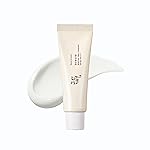
- What you will need - at a glance
- What does a damaged skin barrier actually feel like?
- Step 1: Oil cleanse to lift the day off
- Step 2: Follow with a gentle pH-balanced foam
- Step 3: Layer one gentle active (the right one)
- Step 4: Build moisture in layers
- Step 5: Seal it in overnight
- What to avoid while your barrier heals
- Frequently asked questions
Learning how to repair a damaged skin barrier UK 2026 was the moment my skincare actually started working. I had spent years stacking acids, retinol and physical exfoliants on top of dehydration and reactive redness, convinced more products meant more results. They did not. The barrier is the layer that holds everything in - moisture, lipids, microbiome - and once it goes, no fancy serum will save you until you rebuild it. This is the K-beauty-led five-step protocol I run for two to six weeks every time my skin tips over the edge, with the 15 products I actually use. Sensitivities, source and texture flagged on every card so you can scan to the right one for you.
What you will need - at a glance
 Best oil cleanseManyo Pure Cleansing Oil£18
 Best foam cleanseBeplain Mung Bean Foam£10
 Editor's all-time faveAnua Niacinamide 10% + TXA 4%£21.95
 Best ceramide creamAestura Atobarrier365£22.99
 Best overnight sealPurito Cica Sleeping Pack£19
 Best calming tonerSkin1004 Centella Toner£20.50
 Best for AM cleanseBeauty of Joseon Green Plum£12.90
 Best plumping overnightMedicube Night Wrap£26
What does a damaged skin barrier actually feel like?
You will know. Skin tightens after cleansing in a way that does not relax with moisturiser. Anything with even mild active ingredients stings. You develop small red patches in places you have never had them before - usually around the nose, cheekbones and jaw. Make-up that always sat well starts pilling. The texture goes papery in some patches and shiny in others. The fix is not buying a new active - it is putting everything down for two to six weeks and rebuilding the barrier with a small number of low-irritation products in the right order. This protocol pairs beautifully with a slowed-down night skincare routine, and the K-beauty heritage here is no accident - barrier-first thinking is what Korean skincare has been doing for decades.
Step 1: Oil cleanse to lift the day off
The first cleanse breaks down SPF, makeup, sebum and pollution without disrupting the lipid layer underneath. A proper oil cleanser is non-negotiable when your barrier is compromised because the alternative is dragging foaming surfactants across already-stripped skin. Massage onto dry skin for 60 seconds, emulsify with warm water, rinse. Choose the oil that suits your skin type.
The cult Korean oil cleanser that earned its reputation. Manyo's blend slides off heavy SPF and waterproof makeup without leaving the residue that some cheaper oils do. Fragrance-free means safe for reactive skin, and it has never broken me out despite the olive oil base.

If your skin reacts to everything, this is the safer bet. Mung bean has a long history in Korean skincare for soothing inflammation and the formula is one of the cleanest available - every ingredient is EWG green-grade. Marginally heavier feel than the Manyo, which I actually prefer in winter.

The lightest texture of the three oils here, which makes it the one I reach for in summer or when my skin is leaning oilier than usual. The rice bran + niacinamide combo also doubles as a mild brightening boost without irritation. If heavy oils make you anxious, start here.
Step 2: Follow with a gentle pH-balanced foam
The second cleanse removes the emulsified oil and any remaining sweat or environmental residue. This is the step that most often goes wrong - foaming cleansers with high-pH or SLS-led surfactants will undo everything the oil cleanse did. The fix is a pH-balanced (5.5-6.5) low-foam cleanser. If your barrier is properly inflamed you can skip Step 2 in the morning and just splash with water.
£10. EWG green. pH 5.5. Mung bean and panthenol to calm. It is the cleanest entry-level second cleanse in K-beauty and the one I have repurchased the most times. If you only buy one product on this list, make it this one.
The Beauty of Joseon name carries weight for good reason - this cleanser brightens with the tiniest hit of natural AHA from green plum without irritating. I use it as my morning solo cleanse when I have not worn SPF or makeup yet. The very mild scent is from the plum extract not added fragrance.

The Soonjung line is built for skin that reacts to everything. Slightly higher pH than the Beplain (6.5 vs 5.5) makes it kinder on truly compromised barriers. The whip texture is satisfying. Worth the £6 step-up if your skin sits at the very sensitive end.
Step 3: Layer one gentle active (the right one)
Common advice is "stop all actives until your barrier heals". I disagree - the right active speeds up barrier repair when most strip it. Niacinamide, centella and probiotic-led essences calm inflammation, reduce TEWL (trans-epidermal water loss) and support ceramide synthesis. Use one, not three, and use it for 30-60 seconds on damp skin. Skip all acids, retinols and vitamin C until the barrier is restored.
My desert island serum. Niacinamide at 10% supports ceramide production and barrier function, TXA at 4% brings down redness and pigmentation - which is exactly what a damaged barrier needs. Three weeks in and skin tone is more even, three weeks plus and dark spots visibly fade. Never stings, never reacts. The reason I will not switch.
Centella (also called cica or tiger grass) is the K-beauty barrier hero ingredient. This toner is 100% pure centella extract sourced from Madagascar - higher concentration than most "centella" products that bury it down the ingredient list. Layer two thin applications on damp skin before your serum. The 210ml bottle is generous.

The probiotic-led pick. Fermented black rice plus lactic acid bacteria supports the skin microbiome, which is where barrier repair actually happens at a cellular level. Use this if your damage feels less inflammation-led and more "everything feels rough and dull". Layers well over the Skin1004 toner.
Step 4: Build moisture in layers
This is where you stop water from escaping. A compromised barrier loses moisture through TEWL faster than a healthy one, which is why dehydrated skin patterns appear even on oily skin types when the barrier is down. Layer a thin moisturiser first while skin is still damp from your active, then a richer occlusive-leaning cream on top. Ceramides, squalane and mung bean are your three favourite ingredients for this step.
The Korean dermatology-led cream that every K-beauty stan eventually finds. Ceramide NP at clinical strength, hypoallergenic, the visible-capsule formula actually melts into skin. This is the cream I use during a barrier crisis and the one I would not be without in winter. Better than every Western ceramide cream I have tried, including the ones twice the price.

If the Aestura is too heavy for your skin type, this is the lighter alternative. The mung bean and niacinamide combo soothes without occlusion - perfect for oilier skin or summer use. Layers cleanly under SPF and makeup. I rotate this in May to September and switch back to Aestura when the weather turns.

Squalane is the closest molecular match to your skin's own sebum, which means a cream led with it sinks in without sitting on top. This one pairs squalane with HA and a ceramide complex for a layered moisture approach - more weight than the Beplain but lighter than the Aestura. Sits perfectly in the middle.
Step 5: Seal it in overnight
The last step is optional in the morning but non-negotiable at night during active barrier repair. An overnight mask or sleeping pack adds an occlusive seal that traps everything underneath to do its work while you sleep. Use 2-3 nights per week during a barrier crisis, not every night - over-occluding can cause its own issues. Apply as the very last step, leave on overnight, rinse in the morning.
The all-rounder. Centella for inflammation, ceramide for repair, panthenol for moisture - the trifecta in one overnight pack. The texture is the smartest of the three I have tried: rich enough to seal but melts in so you do not wake up with crust on the pillow.
The plumping pick. The wrapping texture is what sets this apart - it forms a soft film that traps moisture and the collagen and peptide payload more efficiently than a standard sleeping mask. If you are repairing the barrier and also want overnight visible plump-up, this is the upgrade. Pricier but worth it for special-occasion mornings.

The hydration-led overnight option. If your skin is more dehydrated than inflamed (think paper-thin texture, slow-bouncing-back when pressed), this water-led gel is the better fit. Belif's "2.5" version is the fragrance-free reformulation I recommend over the original.
What to avoid while your barrier heals
All acids and physical exfoliants
This means no AHAs, BHAs, PHAs, no scrubs, no muslin cloths and no exfoliating toners. Two to six weeks off, no exceptions. The barrier needs to rebuild before you can challenge it again.
Retinol and vitamin C
Both are technically helpful long-term but stripping in an acute barrier crisis. Pause retinol completely until skin feels normal for at least seven consecutive days. Vitamin C can come back as a lower-percentage formula at the four-week mark.
Hot water and over-cleansing
Cool to lukewarm water only. No washcloths or face brushes. If your barrier is at peak rawness, use water only in the morning and only second-cleanse at night.
New products you have not patch-tested
Introducing anything new during a barrier crisis is a coin-flip. Stick to the protocol above for at least three weeks before adding anything else back in.
Frequently asked questions
How long does it take to repair a damaged skin barrier?
Two to six weeks for most people on a consistent low-irritation routine. Mild damage (a few weeks of over-exfoliation) clears in 7-14 days. Severe damage from prolonged active stacking, accutane, or chemical peel reactions can take 8-12 weeks. The key marker is when skin stops stinging on application of the moisturiser - that is when you can start to reintroduce.
Can I still use sunscreen if my barrier is damaged?
Yes - SPF is non-negotiable. UV damage actively worsens barrier function. Use a mineral or hybrid SPF labelled "for sensitive skin" and pat (not rub) onto skin. Reapply during long sun exposure. Pair with a wide-brimmed hat in summer.
Should I keep using retinol while repairing my barrier?
No. Pause retinol completely until your barrier feels stable for at least seven consecutive days. Reintroducing too early is the most common reason people get stuck in a cycle of damaged barriers - you cannot repair while you are still stripping. Restart at half your previous frequency.
Do I need all 15 products to do this?
Absolutely not. The minimum viable routine is: one oil cleanse, one foam cleanse, the Anua Niacinamide serum, the Aestura cream and the Purito sleeping pack. Five products, around £90. The other 10 are alternatives for different skin types and price points.
What is the fastest way to know if my barrier is healing?
The first signs of repair are: skin stops stinging when you apply moisturiser, redness reduces, and texture starts to even out. Visible plumping and brightness come at the 3-4 week mark. Full repair (when you can reintroduce actives without reactivity) is usually 4-8 weeks.
You might also like
 SkincareNight Skincare Routine 2026: My Real Step-by-Step Guide
 Skincare12 Best Niacinamide Serum UK 2026: Tested and Ranked
 WellnessBest Collagen Supplements UK 2026: Do They Actually Work?
What I'm currently using
My actual shelf — everything links to Amazon UK with my affiliate tag